
pea protein health benefits - swolverine

5 Incredible Benefits Of Pea Protein Powder For Athletes

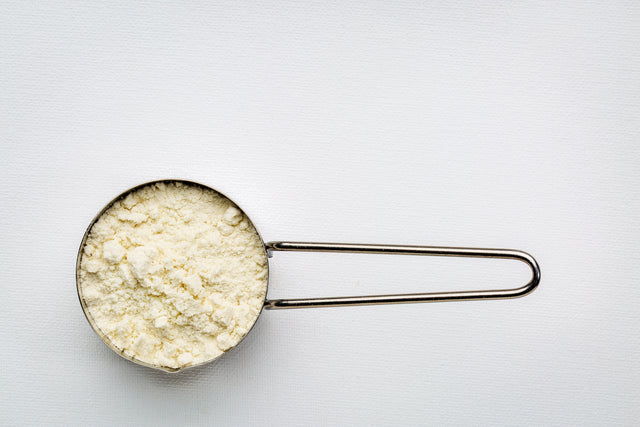
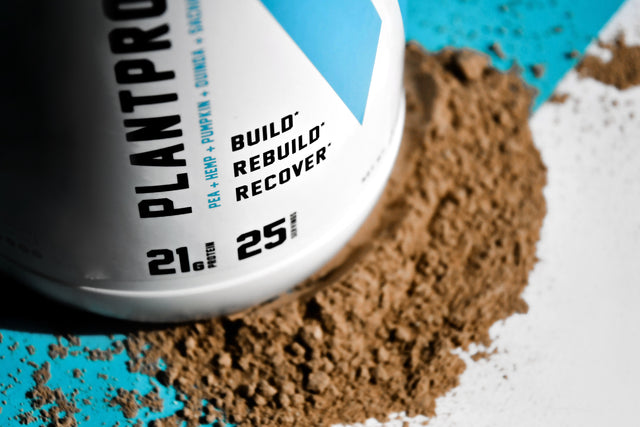
When you think of the best types of protein powder, pea protein rarely comes to mind, if ever. Animal sourced proteins such as Whey, Casein, and Egg have always dominated the sports protein landscape, due to their proven health benefits and piles of clinical studies supporting their performance outcomes. But with the healthy movement in full swing, plant-based diets have become increasingly popular, amongst animal lovers, and health enthusiasts world-wide. With this shift in modern day dieting trends, recent research has found that pea protein, is a legitimate rival of protein like whey regarding sports performance. Peas may come in a small package, but these tiny vegetables, are proving their worth for any type of athlete, plant-based or not.
Tabata Burpees - Swolverine

Tabata Burpees: Can You Beat Swolverine Athlete Mitch Wagner?

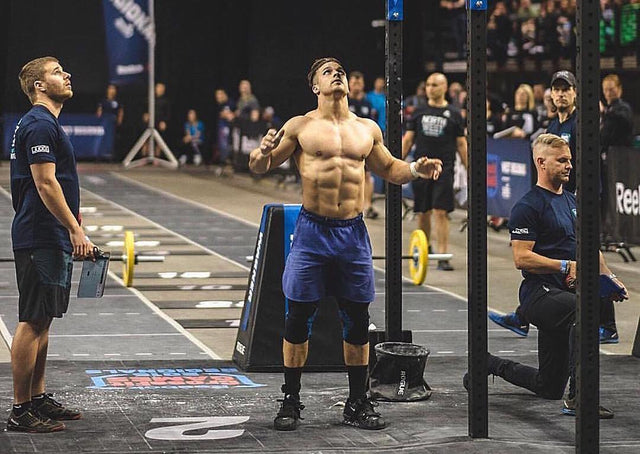
No time or place to workout? Perfect! Tabata burpees are the ultimate 4-minute total body workout designed to test your endurance, fatigue, and to shred body fat, especially when you’re pinched on time or equipment. Best of all? We have an entire Tabata burpee workout for you in this article where you can compete directly with Swolverine Athlete, Mitch Wagner, a 3 time CrossFit® Regionals Competitor, to see if you can beat his Tabata burpee time!
Fat-Soluble And Water-Soluble Vitamins: What It All Means

Fat-Soluble And Water-Soluble Vitamins: What It All Means

Vitamins can take two forms; fat-soluble or water-soluble. Solubility refers to how vitamins are absorbed, dissolved, metabolized, and transported. As the name suggests, fat-soluble vitamins do not dissolve in water and need fat in order to be digested and utilized. Just as water-soluble vitamins need water to be dissolved and metabolized for various biological functions throughout the body. 
should i bulk or cut - swolverine

Bulk Or Cut? Should I Bulk Or Cut To Meet My Fitness Goals?

As you progress in your fitness journey your goals will change from time to time. You may want to lean out and cut down for summer, then capitalize on those winter gains and add on some size. Maybe you are looking for a new challenge in your training and physique to mix it up and keep your training from getting boring. Whatever your reason, there’s a time and place to add on mass and bulk up. There’s also a time and place for you to cut. In order to be successful at either, there are some parameters you need to be aware of to achieve the best results
Unlocking Your Basal Metabolic Rate BMR: The Guide To Effectively Planning Your Fitness Journey

Unlocking Your Basal Metabolic Rate BMR: The Guide To Effectively Planning Your Fitness Journey

As a society, we have become obsessed with metabolism, and how to control it in order to manipulate the calorie burning process. Most of us associate boosting metabolism with losing more weight, and by increasing our energy expenditure, burning more body fat, and increasing lean muscle mass. Resting metabolic rate (RMR) and Basal metabolic rate (BMR) play an important role, in defining a baseline of how many calories you naturally expend. Often used interchangeably are there any differences between BMR vs RMR? And what do you need to know about RMR and BMR in order to start your health and fitness journey?

Bulking Season - Swolverine

7 Common Bulking Mistakes That Can Sabotage Your Bulking Season

Bulking season is here, but that doesn’t mean it’s going to be easy. Most people think that putting on clean weight is easy. All you have to do is just keep eating right? Wrong. Bulking is challenging, physically and psychologically. You have to be in the right mind-set as well as eat the right foods, to enough of those foods, to cut and gain the lean muscle mass you want, without gaining too much body fat. We’re going to cover the 7 most common bulking mistakes, so you can gain the weight you need to shred down for summer.
glycemic index - swolverine

Glycemic Index: The Short Guide On How To Use The Glycemic Index For Athletes

You’ve probably heard someone refer to food being high on the Glycemic Index (GI). The Glycemic Index is a ranking of carbohydrate foods, and how they affect blood sugar levels. Carbohydrates with a low GI value are more slowly digested, causing a stable and slower rise in blood glucose, and a rise in insulin levels. High glycemic foods cause a spike in blood sugar and insulin levels and can lead to unwanted weight gain, and energy crash. Athletes need a steady supply of energy and knowing which foods provide that energy is important for athletic performance and outcomes.
6 Incredible Clean Carbs Sources To Build Muscle And Improve Performance

6 Incredible Clean Carbs Sources To Build Muscle And Improve Performance

Carbohydrates are the primary fuel source for your brain, body, and overall athletic performance. But not all carbohydrates are created equal. Clean carbohydrates sources or complex carbohydrates provide the long-lasting sustained energy you need for prolonged workout periods, such as running, cycling, and high-intensity functional training. Not only that but, clean carbs help you build more muscle and optimize workout recovery. The question is, what carbohydrates are best for building mass, optimizing body composition and performance?
Pea Protein Vs Whey

Pea Protein Vs Whey: Which One Is Better?

Peas have proven to be a powerful little green been full of protein. But, is pea protein actually better than whey? Studies have shown, that compared to other plant-based protein sources, peas have the most similar amino acid profile to whey protein, and even similar benefits in regard to athletic performance and building lean muscle mass. Plant-based diets have gained some serious momentum over the last few years. So, we’re going to find out if pea protein is right for you, and your athletic aspirations.
Good Fat Vs. Bad Fat: What Are The Best Fats To Include In Your Diet?

Good Fat Vs. Bad Fat: What Are The Best Fats To Include In Your Diet?

Fat does not make you fat. As odd as it may sound saying it out loud, it’s true. Just like other macronutrients, fat comes in a variety of forms, namely good fat vs bad fat, and including too much of one thing, and the wrong type, may lead to unwanted weight gain and even impede your health and fitness goals. So, what are the best fats to include in your diet? And which fats should you stay away from? We’re going to discuss these questions and many more, and breakdown the difference between good fats, bad fats, and everything in between.
Best Vitamins for women

The 6 Vitamins All Women Should Take For Overall Wellness

Obtaining key vitamins and minerals should always come from food first. But, acquiring all the essential vitamins and minerals from food alone, is far from realistic. Supplements are not meant to replace your nutrition but merely meant to bridge the gaps when you’re... not so perfect. Female athletes and active women require adequate nutrition for optimal health and performance. Vitamins are meant to fill the void in your nutrition, to keep you happy, healthy, and performing at your highest level. We’re going to talk about the seven best vitamins that all women should be taking.
Functional Training Vs HIIT

HIIT Vs HIFT: What Are The Differences & Which One Is Right For You?

There’s not much difference when you read between the letters, but when it comes to HIIT (high-intensity interval training) vs HIFT (high-intensity functional training), these two types of training modalities are distinctly different. HIIT is often characterized by short bouts of vigorous activity, intersected with rest or low-intensity active recovery periods. HIFT is defined as utilizing constantly varied movements, incorporating different types of workouts at assorted durations, with or without active rest periods. Both training modes are great for shredding body fat, maintaining an active lifestyle and improving overall health. But, to understand which training modality is right for you, you must first identify what your goals are and what you’re training for.